

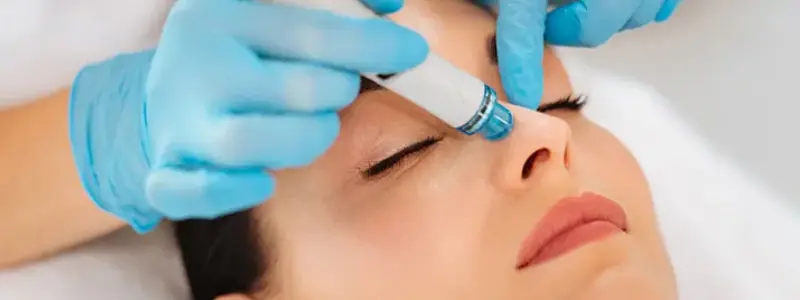
Melasma Treatment in Kolkata

Melasma Treatment in Kolkata

At Lumièra, patients seeking melasma treatment receive expert care under Dr. Nripendra Guha, Medical Aesthetic Specialist. The treatment process begins with a detailed clinical diagnosis and comprehensive skin evaluation, allowing the dermatologist to determine the depth of pigmentation and identify factors contributing to melasma. Based on this assessment, a personalized treatment plan is designed to gradually reduce pigmentation while maintaining healthy skin.

Medical Grade Hydrafacial

What is Melasma?

Melasma is a form of hyperpigmentation that occurs when melanocytes, the pigmentproducing cells in the skin, become overactive and produce excess melanin. This excess pigment accumulates in certain areas, resulting in visible dark patches.

The condition most commonly affects sun-exposed areas of the face, including the cheeks, forehead, upper lip, and nose. Although melasma does not cause physical discomfort, its persistent nature often makes it difficult to treat without dermatological guidance.

People seeking melasma treatment in Kolkata often consult dermatologists when pigmentation becomes darker, spreads to new areas, or fails to respond to regular skincare routines.

What Causes Melasma?

Melasma is influenced by several internal and external factors that stimulate melanin production in the skin.

Sun Exposure

Ultraviolet radiation is one of the most significant triggers of melasma. Prolonged sun exposure stimulates pigment-producing cells and can worsen existing pigmentation.

Hormonal Changes

Hormonal fluctuations during pregnancy, hormonal therapy, or the use of birth control pills may contribute to the development of melasma.

Genetic Predisposition

Individuals with a family history of pigmentation disorders may have a higher likelihood of developing melasma.

Heat and Visible Light

Heat exposure and certain types of visible light can also stimulate melanocytes, making pigmentation more noticeable.

Skin Irritation

Harsh skincare products or cosmetic irritation can sometimes cause inflammation that leads to increased pigmentation. Understanding these triggers helps dermatologists develop effective treatment strategies for melasma treatment in Kolkata.

Types of Melasma

Melasma can appear in different forms depending on where the pigment is located within the skin.

Epidermal Melasma
Pigmentation is located in the upper layers of the skin. This type often responds well to topical medications and chemical peels.

Dermal Melasma
Pigment is located deeper within the skin layers. This form may require advanced procedures such as laser treatment.

Mixed Melasma
This is the most common type, where pigmentation exists in both superficial and deeper skin layers.
Identifying the type of melasma during clinical diagnosis helps determine the most appropriate treatment plan.

Clinical Diagnosis for Melasma Treatment in Kolkata

Effective melasma treatment in Kolkata begins with a detailed skin evaluation.

At Lumièra, Dr. Nripendra Guha performs and his team run a clinical examination to determine the depth, distribution, and severity of pigmentation. The dermatologist also evaluates factors such as sun exposure habits, hormonal influences, skincare history, and lifestyle triggers.

This comprehensive clinical diagnosis ensures that treatment addresses the underlying causes of pigmentation rather than simply treating the surface symptoms.

Customized Melasma Treatment Plan

Melasma varies widely among individuals, which is why treatment must be tailored according to each patient’s skin condition.

At Lumièra, a customized melasma treatment plan is developed based on:
Following the principles of evidence-based dermatology, treatments are selected to gradually regulate melanin production while preserving the natural balance of the skin.

Through dermatologist-supervised care, treatments can be adjusted as the skin responds, allowing gradual and stable improvement.

Types of Melasma Treatment Available in Kolkata

Melasma often requires a combination of treatments to achieve effective results. After a detailed evaluation, the dermatologist may recommend one or more of the following treatment options.

Medical Treatment for Melasma

Medical therapy often forms the foundation of melasma management.

Dermatologist-prescribed topical formulations help regulate melanin production and gradually lighten pigmentation. These medications typically contain ingredients such as hydroquinone, azelaic acid, retinoids, kojic acid, or other pigment-regulating compounds.

These treatments work by inhibiting the enzymes involved in melanin production while encouraging the renewal of healthy skin cells.

Under dermatologist-supervised care, medical therapy can significantly improve mild to moderate melasma and prepare the skin for additional procedures when necessary.

Medical Treatment for Melasma

Medical therapy often forms the foundation of melasma management.

Dermatologist-prescribed topical formulations help regulate melanin production and gradually lighten pigmentation. These medications typically contain ingredients such as hydroquinone, azelaic acid, retinoids, kojic acid, or other pigment-regulating compounds.

These treatments work by inhibiting the enzymes involved in melanin production while encouraging the renewal of healthy skin cells.

Under dermatologist-supervised care, medical therapy can significantly improve mild to moderate melasma and prepare the skin for additional procedures when necessary.

Chemical Peel for Melasma

A chemical peel for melasma is a dermatological procedure that improves pigmentation through controlled exfoliation.
 
Specially formulated peeling solutions are applied to the skin to remove pigmented cells from the outer layers. This process stimulates skin renewal and gradually improves overall skin tone.
 
At Lumièra, chemical peels are performed using medical-grade treatment protocols, ensuring that the type and strength of the peel are suitable for the patient’s skin condition.
 
Chemical peels are particularly effective for superficial pigmentation and can also improve skin brightness and texture.

Q Switch Laser for Melasma

The Q switch laser for melasma is an advanced dermatology technology used to treat deeper pigmentation.

This laser delivers extremely short pulses of energy that are absorbed by melanin in the skin. The energy breaks pigment particles into smaller fragments without damaging surrounding tissue.

Over time, these fragmented pigments are gradually removed by the body’s natural processes, leading to a visible reduction in pigmentation.

At Lumièra, laser procedures are performed using FDA-approved technology to ensure safe and controlled treatment.

Laser Melasma Treatment

In addition to Q switch technology, broader laser melasma treatment protocols may be recommended for stubborn pigmentation.

Laser treatments target pigment clusters beneath the skin while stimulating natural skin renewal. Because melasma can be sensitive to heat and irritation, laser procedures are usually performed carefully and may be combined with other treatments such as topical therapy or chemical peels.

Advanced Melasma Treatment

Some individuals experience persistent melasma that requires a more comprehensive approach. Advanced melasma treatment protocols combine modern dermatology techniques designed to regulate melanocyte activity and stabilize pigment production.

These treatments aim to gradually improve skin tone while maintaining overall skin health.

Modern dermatology focuses on non-surgical melasma treatment, allowing patients to improve pigmentation without invasive procedures or prolonged downtime.

Combination Therapy for Melasma

Melasma often responds best to combination therapy, where multiple treatments work together to address different aspects of pigmentation.

For example:

This integrated approach forms the basis of clinical melasma management and helps achieve more consistent and long-lasting results.

What to Expect During Melasma Treatment at Lumièra

Patients seeking melasma treatment in Kolkata often want to understand the treatment process.

The first step involves a detailed consultation and skin evaluation performed by Dr. Nripendra Guha. Based on the diagnosis, a personalized treatment plan is developed.

Depending on the treatment recommended, patients may undergo a series of sessions over several weeks. Because melasma treatment focuses on gradual improvement, therapies are usually performed carefully to allow the skin to respond safely.

Regular follow-up assessments help monitor progress and ensure the treatment plan continues to deliver effective results.

Post-Treatment Care After Melasma Treatment in Kolkata

Proper post-treatment care plays an important role in maintaining results.

Melasma is strongly influenced by sun exposure and environmental triggers. Without adequate sun protection, pigmentation may return even after successful treatment.

Patients are usually advised to follow a structured skincare routine, apply sunscreen regularly, and attend follow-up visits to monitor skin response.

Tips to Prevent Melasma from Worsening

Although professional treatment helps reduce pigmentation, certain daily habits can help prevent melasma from becoming darker.

Helpful preventive measures include:

Consistent sun protection is particularly important for individuals prone to pigmentation disorders.

Why Choose Lumièra for Melasma Treatment in Kolkata

Choosing the right clinic is an important step in managing melasma effectively.

At Lumièra, melasma treatment is guided by Dr. Nripendra Guha, Medical Aesthetic Specialist, who focuses on accurate diagnosis and personalized treatment planning.

Patients benefit from:

This structured approach allows melasma to be managed gradually while maintaining skin health and safety.

Frequently Asked Questions About Melasma Treatment

The best treatment depends on the depth and type of pigmentation. Dermatologists often
recommend a combination of medical therapy, chemical peels, and advanced procedures
such as laser treatment.

Melasma can be significantly improved and controlled, but it may recur due to sun
exposure or hormonal triggers. Long-term management and sun protection help maintain results.

Antioxidants such as Vitamin C and Vitamin E support skin health and may help regulate
pigmentation when combined with professional dermatological treatments.

Highly processed foods and diets that increase inflammation may worsen pigmentation in some individuals. A balanced diet rich in fruits and vegetables supports healthier skin.

Professional dermatology treatments such as chemical peel for melasma, laser melasma
treatment, and combination therapy often provide faster improvement compared to over-
the-counter products.

Melasma Management and Long-Term Skin Care

Melasma is a condition that requires patience and consistent care. With accurate diagnosis, personalized treatment planning, and proper follow-up care, pigmentation can be significantly improved.

Patients seeking melasma treatment in Kolkata at Lumièra benefit from a structured dermatological approach guided by Dr. Nripendra Guha, focusing on gradual improvement, skin safety, and long-term pigment control.

Through evidence-based dermatology and personalized treatment strategies, clearer and more even-toned skin can be achieved while maintaining overall skin health.

Book Your Consultation Today

2